


Introduction: Understanding Hair Damage and Why It Happens
Hair damage is one of the most common beauty concerns people face today, and it can affect anyone regardless of age, gender, or hair type. Whether your hair feels dry, brittle, frizzy, or lifeless, the root problem often lies beneath the surface of the hair shaft. Understanding how to repair damaged hair starts with recognizing that hair is made up of a protein called keratin, and when this structure is compromised, it loses its strength, elasticity, and shine. Everyday habits like excessive heat styling, chemical treatments, harsh shampoos, environmental exposure, and even poor nutrition can gradually weaken the hair structure. Over time, this leads to split ends, breakage, and dullness. Repairing damaged hair is not about a quick fix; it is a gradual process that requires consistency, proper care, and the right combination of treatments. By understanding the science behind hair damage and applying targeted solutions, you can restore your hair’s natural beauty and resilience.
What Does Damaged Hair Look and Feel Like?
Before learning how to fix it, it’s important to identify the signs of damage. Damaged hair often appears dull, rough, and difficult to manage. It may tangle easily, lack shine, and feel dry to the touch. One of the most noticeable signs is split ends, where the hair shaft splits into two or more strands. Another common issue is breakage, where hair snaps off easily due to weakened structure. You might also notice increased frizz, especially in humid conditions, which indicates that the outer protective layer of the hair, known as the cuticle, is lifted or damaged. In severe cases, hair can lose its elasticity, meaning it stretches too much and then breaks instead of returning to its original shape. Recognizing these symptoms early can help you take the right steps toward repairing and protecting your hair before the damage becomes irreversible.
The Main Causes of Hair Damage
Heat Styling Tools
Frequent use of tools like straighteners, curling irons, and blow dryers can strip moisture from your hair and weaken its internal structure. High temperatures break down the protein bonds in hair, leading to dryness and brittleness. Over time, this results in severe damage that requires intensive care to repair.
Chemical Treatments
Hair coloring, bleaching, perming, and relaxing treatments can significantly alter the natural structure of your hair. While these processes can enhance appearance, they often remove essential moisture and proteins, leaving hair fragile and prone to breakage. Understanding how to repair damaged hair after chemical treatments is especially important for maintaining long-term hair health.
Environmental Factors
Sun exposure, pollution, wind, and hard water can all contribute to hair damage. UV rays can weaken the hair shaft, while pollution can build up on the scalp and strands, making hair dull and lifeless. These external factors are often overlooked but play a major role in long-term hair health.
Poor Hair Care Habits
Using harsh shampoos, over-washing, aggressive brushing, and tight hairstyles can all contribute to damage. Many people unknowingly harm their hair through daily routines that seem harmless but gradually weaken the strands.
Nutritional Deficiencies
Hair health is closely linked to your overall diet. Lack of essential nutrients like protein, vitamins, and minerals can result in weak, thin, and damaged hair. A balanced diet is crucial for maintaining strong and healthy strands from within.
The Science Behind Repairing Damaged Hair
To truly understand how to repair damaged hair, it’s important to know that hair is technically dead once it leaves the scalp. This means it cannot heal itself in the same way skin can. However, you can repair its appearance and strengthen its structure through external treatments and proper care. Hair repair works by filling in gaps in the damaged cuticle, restoring moisture, and reinforcing protein bonds. Products like conditioners, masks, and serums coat the hair shaft, making it smoother and more manageable. Meanwhile, protein treatments help rebuild the hair’s internal structure, making it stronger and less prone to breakage. The key is to strike a balance between moisture and protein, as too much of either can lead to further issues. Consistency is essential, as regular care gradually improves the condition of your hair over time.
Effective Ways to Repair Damaged Hair
Deep Conditioning Treatments
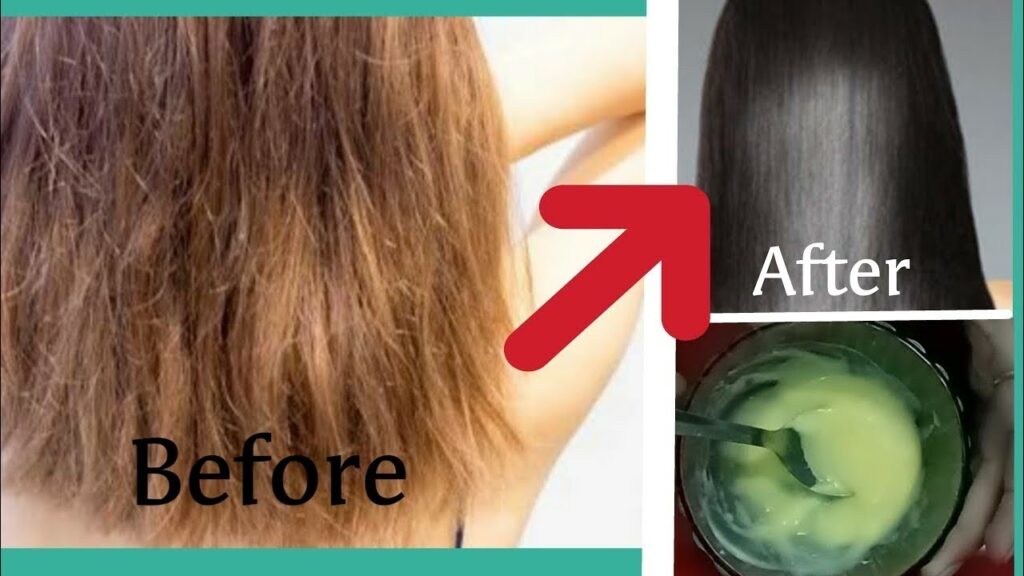
One of the most effective ways to restore moisture and softness is through deep conditioning. These treatments penetrate the hair shaft and provide intense hydration, making hair smoother and more manageable. Using a deep conditioner once or twice a week can significantly improve the texture and appearance of damaged hair.
Protein Treatments
Protein treatments are essential for rebuilding the hair’s internal structure. They help strengthen weak strands and reduce breakage. However, it’s important not to overuse them, as too much protein can make hair stiff and brittle. Finding the right balance is crucial when learning how to repair damaged hair effectively.
Regular Trimming
While it may seem counterintuitive, trimming your hair regularly is one of the best ways to prevent further damage. Removing split ends stops them from traveling up the hair shaft, which can lead to more severe breakage over time.
Using Gentle Hair Products
Switching to sulfate-free shampoos and nourishing conditioners can make a big difference in your hair’s health. Gentle products help maintain the natural oils of your scalp and prevent further dryness and damage.
Reducing Heat Styling
Limiting the use of heat styling tools is essential for preventing further damage. When you do use them, always apply a heat protectant to minimize the impact on your hair.
Natural Remedies for Damaged Hair
Coconut Oil Treatment
Coconut oil is known for its deep penetrating properties, making it an excellent natural remedy for damaged hair. It helps reduce protein loss and adds shine and softness to the strands.
Aloe Vera
Aloe vera is rich in vitamins and enzymes that nourish the scalp and strengthen hair. It also helps soothe irritation and improve overall hair health.
Egg Masks
Eggs are a rich source of protein and can help strengthen weak and brittle hair. Applying an egg mask once a week can improve elasticity and reduce breakage.
Honey and Yogurt
This combination provides both moisture and nourishment, making it ideal for restoring dry and damaged hair. Honey acts as a natural humectant, while yogurt provides essential nutrients.
Daily Hair Care Routine for Repair and Protection
Creating a consistent routine is essential when learning how to repair damaged hair. Start by washing your hair with a gentle shampoo two to three times a week, followed by a nourishing conditioner. Use a wide-tooth comb to detangle wet hair and avoid aggressive brushing. Apply a leave-in conditioner or serum to protect your hair throughout the day. At night, consider using a silk pillowcase or wrapping your hair in a silk scarf to reduce friction and prevent breakage. Small changes in your daily routine can have a significant impact on the overall health of your hair.
The Role of Diet in Hair Repair
Healthy hair starts from within, and your diet plays a crucial role in repairing damage. Consuming protein-rich foods like eggs, fish, and legumes helps strengthen the hair structure. Vitamins such as biotin, vitamin E, and vitamin D support hair growth and health. Minerals like iron and zinc are also essential for maintaining strong and healthy strands. Drinking plenty of water is equally important, as hydration directly affects the moisture levels of your hair. A balanced diet not only improves hair health but also enhances overall well-being.
Mistakes to Avoid When Repairing Damaged Hair
Many people unknowingly make mistakes that worsen hair damage instead of improving it. Over-washing can strip natural oils, leading to dryness. Using too many products can cause buildup, making hair heavy and dull. Skipping heat protectants while styling can result in further damage. Another common mistake is expecting instant results; repairing damaged hair takes time and consistency. Avoiding these mistakes is just as important as following the right treatments when learning how to repair damaged hair.
Professional Treatments for Severe Damage
In cases of extreme damage, professional treatments can provide faster and more effective results. Keratin treatments help smooth and strengthen the hair, while bonding treatments rebuild broken protein bonds. Hair spa treatments offer deep conditioning and relaxation, improving both scalp and hair health. Consulting a professional stylist can help you choose the best treatment based on your hair type and condition.
Long-Term Strategies for Healthy Hair
Repairing damaged hair is only the first step; maintaining its health requires long-term commitment. Protect your hair from environmental damage by wearing hats or scarves when exposed to harsh sunlight. Avoid tight hairstyles that can cause tension and breakage. Regularly update your hair care routine based on seasonal changes and your hair’s needs. Consistency and mindful care are key to achieving and maintaining healthy, beautiful hair.
Frequently Asked Questions (FAQs)
1. Can damaged hair be fully repaired?
Damaged hair cannot completely heal itself, but its appearance and strength can be significantly improved with proper care and treatments.
2. How long does it take to repair damaged hair?
The time varies depending on the severity of the damage, but noticeable improvements can be seen within a few weeks of consistent care.
3. Is it better to cut damaged hair or treat it?
Both are important. Trimming removes split ends, while treatments improve the overall condition of the remaining hair.
4. Can natural remedies really repair damaged hair?
Natural remedies can help improve moisture and strength, but they work best when combined with a proper hair care routine.
5. How often should I use hair masks?
Using a hair mask once or twice a week is generally recommended for repairing and maintaining healthy hair.
Conclusion
Learning how to repair damaged hair is a journey that requires patience, consistency, and the right approach. While damage cannot be completely reversed, its effects can be minimized and improved through proper care, balanced nutrition, and mindful habits. By understanding the causes of hair damage and applying targeted treatments, you can restore your hair’s strength, shine, and vitality. Whether you choose natural remedies, professional treatments, or a combination of both, the key is to stay consistent and gentle with your hair. Over time, these efforts will lead to healthier, more resilient hair that not only looks beautiful but also feels strong and vibrant.
You may also read this one
for more updates come back to our website Newsatacker.blog
